Mongolia's -30°C Snowy Plains: A Survival Hunting Operation Between Wolves and Nomads
In the harsh -30°C winter of Mongolia, nomadic hunters engage in a high-stakes battle against wolves to protect their livestock.
In the winter of Mongolia, amidst the harsh cold reaching -30°C, a war against wolves that threatens the survival of nomads begins. While only about 30% of the Mongolian population continues a nomadic lifestyle, wolves that run rampant during the winter season become a source of conflict by attacking livestock, which is directly linked to the livelihoods of the nomads.
"Only Catching Wolves": The Principle of a 40-Year Veteran Hunter and the Father-Son Succession
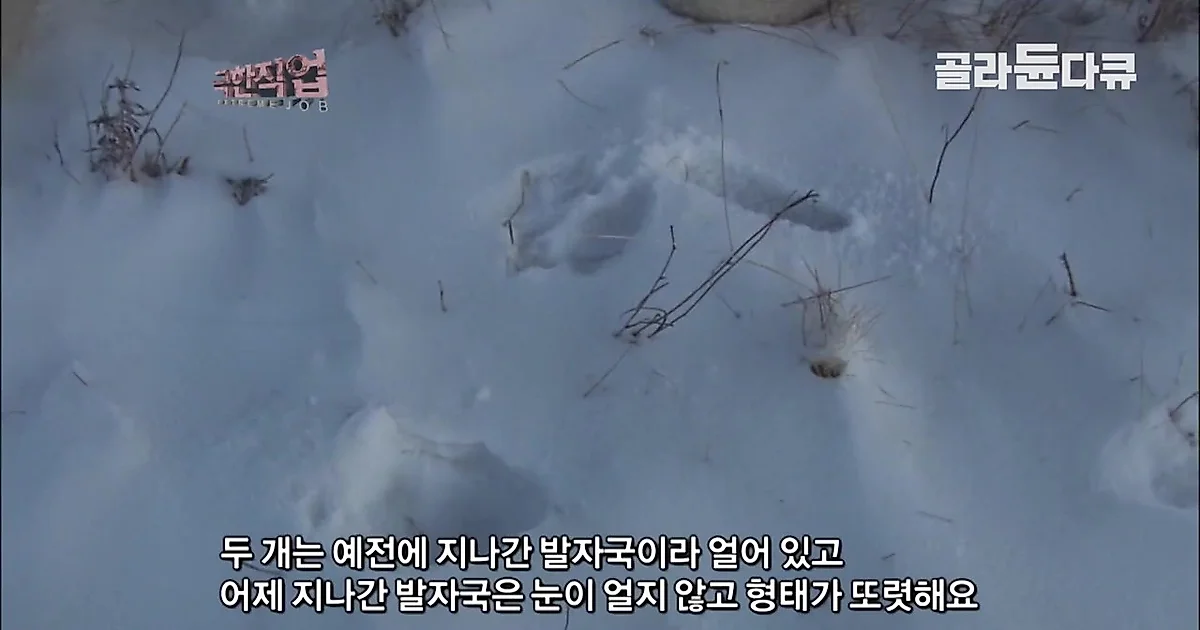
Mr. Ganbaatar, who has been hunting wolves for over 40 years, is a skilled veteran who has even received a medal from the state-affiliated hunters' association. He possesses sophisticated tracking abilities, such as being able to determine movement routes just by looking at wolf footprints. In the video, upon the request of a neighbor who lost a sheep to a wolf, Mr. Ganbaatar sets out onto the snowy plains before dawn to identify the wolf's path.
Mr. Ganbaatar's son is also present at this hunting site. His son, who has been hunting for five years, is carrying on the lineage by receiving hunting secrets, such as short-distance shooting techniques, from his father. While the hunters regard wolves as sacred, they also work with the pride that the act of catching wolves itself is sacred.
Joint Operation of Beaters and Shooters: Extreme Ambush at -30°C
Wolf hunting in Mongolia is conducted as a joint operation between beaters, who ride horses and make noise to drive wolves into a certain direction, and shooters, who wait at checkpoints with guns aimed. To remain unnoticed by the wolves while making it easy to observe the target, shooters take up ambush positions at regular intervals, such as under trees.
The hunters wear 'deel', dark-colored traditional Mongolian clothing, so as not to be easily spotted by the wolves. This hunt, which is permitted from October 15 to February 15 of the following year, requires a high level of concentration. In the video, hunters sometimes use cries to lure the wolves, but a situation is depicted where they fail to achieve results for five hours because the wolves have hidden deep in the forest due to the mating season. During this process, deer are sometimes spotted, but the hunters who came to catch wolves adhere to their own principle of not shooting deer.
Wolves Targeting Livestock Threaten the Survival of Nomads
Wolves have a sense of smell sensitive enough to catch scents from 2.4km away, and during the winter, their daytime activity increases, and they attack animals larger than themselves. Due to these characteristics, wolves cause damage by attacking the horses and sheep of nomads. In the video, a scene appears where the carcass of a horse, presumed to have been attacked by wolves overnight and bitten down to the bone, is discovered.
The hunters chase wolves from before sunrise until sunset, and after identifying the wolf's movement route, they sometimes perform rituals dedicated to God. While leaving the success or failure of the hunt to the will of nature, they continue hunting every day in extreme environments to protect the livestock, which are the assets of the nomads.

하비이슈에서 문화·라이프 분야를 주로 취재합니다. 사회·이슈, 건강·과학 기사도 함께 씁니다.

Comments 0