Gojong's Absence from His Father's Funeral: An Incident Like 'Adultery' in Joseon, a Society That Valued Filial Piety
The article discusses the historical anomaly of King Gojong failing to attend the funeral of his father, Heungseon Daewongun, within the context of Joseon's strict filial piety. It also explores the power dynamics between the two, the influence of the Andong Kim clan, and the political maneuvers involving Unhyeongung Palace.
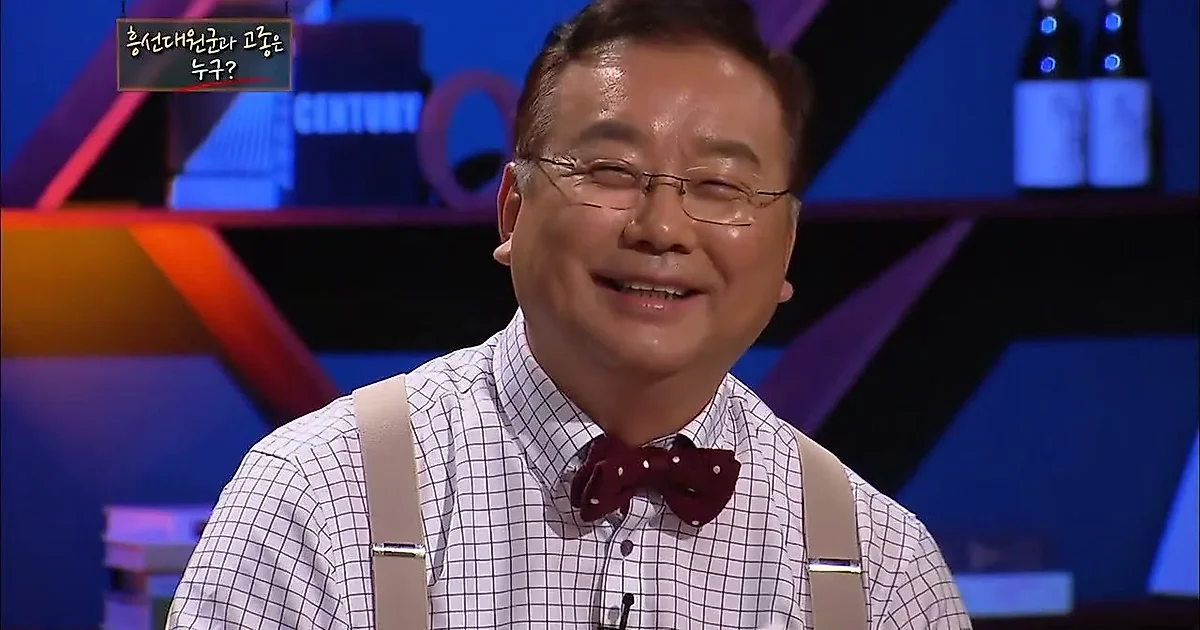
The Joseon era was a society that held filial piety as its highest value. However, the incident where Gojong, who lived through the turbulent period of the 19th century, did not appear at the funeral even in the face of his father Heungseon Daewongun's death, is recorded as a very unusual event within the social context of that time. In the 2013 broadcast of KBS's 'History Journal: That Day', the deep conflict and background between the two figures, Heungseon Daewongun and Gojong, were covered.
"A death without seeing his father," the background of why Gojong ignored the funeral
Heungseon Daewongun (real name Lee Ha-eung) wished to meet his son Gojong in his final moments of life, but he passed away without being able to meet him. According to the records of Hwang Hyeon, the Daewongun left behind his sorrowful feelings of not being able to see his son just before death. In the diary of Yun Chi-ho, it is said that Gojong, who ignored his father's funeral, became a target of criticism at the time. The cast explained that the King of Joseon's absence from his father's funeral was a very shocking case amidst the atmosphere of an era that valued filial piety.
This severance of the father-son relationship is a unique case among the historical instances of the Joseon royal family. Compared to the case of conflict between Taejo and King Taejong, King Taejong tried to serve his father by sending envoys out of consideration for public opinion, and eventually, Taejo was able to witness King Taejong's passing. On the other hand, it was pointed out as a difference that Gojong and Heungseon Daewongun maintained a mismatched relationship without reconciling.
The appearance of a living Daewongun and the power of Unhyeongung Palace
The background of why Gojong was able to ascend the throne at the young age of 12 was the situation of sedo politics centered around the Andong Kim clan at the time. After setting his son as the King, Heungseon Daewongun exercised immense power through regency. In history, other Daewonguns were already deceased when their sons became kings, but Heungseon Daewongun was in a position to directly influence royal authority as a 'living Daewongun'.
Unhyeongung Palace, which was the residence of the Daewongun, was a space that boasted greater prestige than the palace at that time. The Daewongun decided major national policies, such as the abolition of Seowon and the reconstruction of Gyeongbokgung Palace, from Unhyeongung Palace. In particular, he created many doors in Unhyeongung Palace for his personal safety and exercised powerful authority by preparing a private gate through which he could directly enter and leave Changdeokgung Palace, the royal palace. Additionally, an analysis was presented that he showed his intention to actively intervene in real politics by choosing the 'Sainyeol' palanquin, which is used by high-ranking officials, instead of the 'Palinyeol' palanquin, which is the etiquette for a Grand Prince.
Gojong's habits and the situational circumstances of the era
In the video, Gojong's personal habits and the political events of the time were also mentioned. Gojong had a nocturnal habit of being active at night, which also served as the background for the Enlightenment Party to carry out the Gapsin Coup by making Gojong semi-conscious. Gojong was described as a figure who passed through a turbulent era after ascending the throne at the age of 12.
During his term, the Daewongun tried to eliminate the cause of factional strife through the Seowon reorganization project, and promoted policies to break down sedo politics, such as abolishing Bibyeonsa and reviving Uijeongbu. He also involved himself in the livelihood issues of the people, such as installing the Community Granary System to lend grain at low interest rates for the farmers.

하비이슈에서 문화·라이프 분야를 주로 취재합니다. 사회·이슈, 건강·과학 기사도 함께 씁니다.

Comments 0