"Too busy living to prepare for death"... The reality patients face between life-sustaining treatment and hospice
A KBS documentary explores the difficult choices terminal cancer patients face between painful life-sustaining treatments in hospitals and the peaceful…
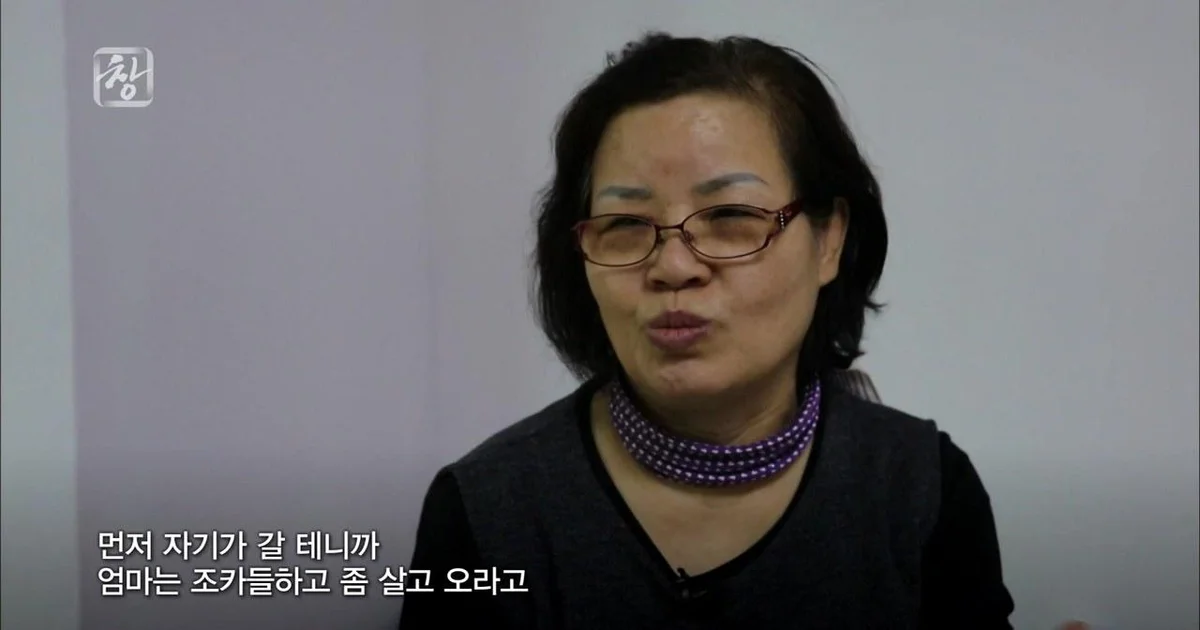
Death is not the end of life, but an important process that determines the quality of the remaining life. While many people ignore or taboo death because they are too busy living, for terminal cancer patients, preparing for death is directly linked to the question of "how to live well." According to the video [Current Affairs Window - How Will We Die, How Will We Live?] broadcast on KBS, terminal cancer patients face a deep dilemma between painful life-sustaining treatments in hospitals and hospice, which helps them achieve a peaceful conclusion.
"Too busy living to prepare for death"... The meaning of death connected to quality of life
The process of preparing for death is not simply waiting for the end of life. The participants appearing in the video say that the perception of death is directly linked to one's attitude toward life. One participant mentioned the social perspective that views death negatively, asking, "Why are they telling us to be so interested in death when we are too busy living, and why must we prepare for death?" However, the video suggests that this perception is very deeply connected to "quality of life."
The regret felt when a patient who has lived for 70 years passes away without their life being properly organized or remembered shows that preparing for death is ultimately a process of organizing one's entire life. Medical staff in the video explain the purpose of hospice as "helping to organize the life lived during the final moments and by spending that time well, ultimately helping to organize one's entire life before leaving."
From pain control to psychological peace, the core of hospice is 'symptom management'
The top priority of hospice palliative care is reducing the physical pain of the patient. According to the video, medical staff first perform the management of physical symptoms experienced by patients, such as pain, nausea, vomiting, and throat discomfort. Under the principle that "the body must be comfortable to open the mind," it is said that social, psychological, and spiritual care is only possible once physical pain is controlled.
A hospice ward is not just a space where medical treatments take place. To ensure the emotional stability of patients, psychological care is carried out in parallel, such as celebrating birthdays or playing requested songs that the patient wants to hear. In the video, through scenes such as a grandmother celebrating her birthday in a hospital room while listening to music and looking out the window, it shows how important the peace and letting go of the heart felt by the patient is, regardless of religion.
Hundreds of millions of won in treatment costs and repeated chemotherapy, the realistic weight faced by patients and families
Realistic issues such as treatment costs and the pain of the chemotherapy process are also factors that torment patients. The video mentions that hospital treatments can cost "100 million or 300 million" won, conveying the economic pressure felt by patients and the sense of speed in the hospital system. In particular, the pain of patients who have reached their physical limits through repeated chemotherapy is extreme. One patient fighting skin cancer recalled the pain at the time, saying, "I had twelve rounds of chemotherapy, and around the ninth time, my body turned upside down."
A hospital is an urgent environment where patients must be taken for examinations every time. Patients tremble while changing clothes for CT scans in cold examination rooms and must endure pain during waiting times. These characteristics of the hospital environment make patients feel "chased." On the other hand, deciding on hospice can also be a difficult choice due to the joking reactions of friends or the fear of death. However, patients strive to fill the final moments of life humanely by spending their last time with family, eating foods they usually liked (such as pomegranate pudding), and having conversations with their families.

하비이슈에서 사회·이슈 분야를 주로 취재합니다. 문화·라이프, 뉴스 기사도 함께 씁니다.
Comments 0