Using 1 Ton of Sweet Potatoes a Month, the Secret to Jajangmyeon's 'Sweetness' Captured with Ganghwado Island Specialties
A Chinese restaurant using Ganghwado Island specialties like mugwort, turnip, and rice is gaining attention for reinventing traditional menus.
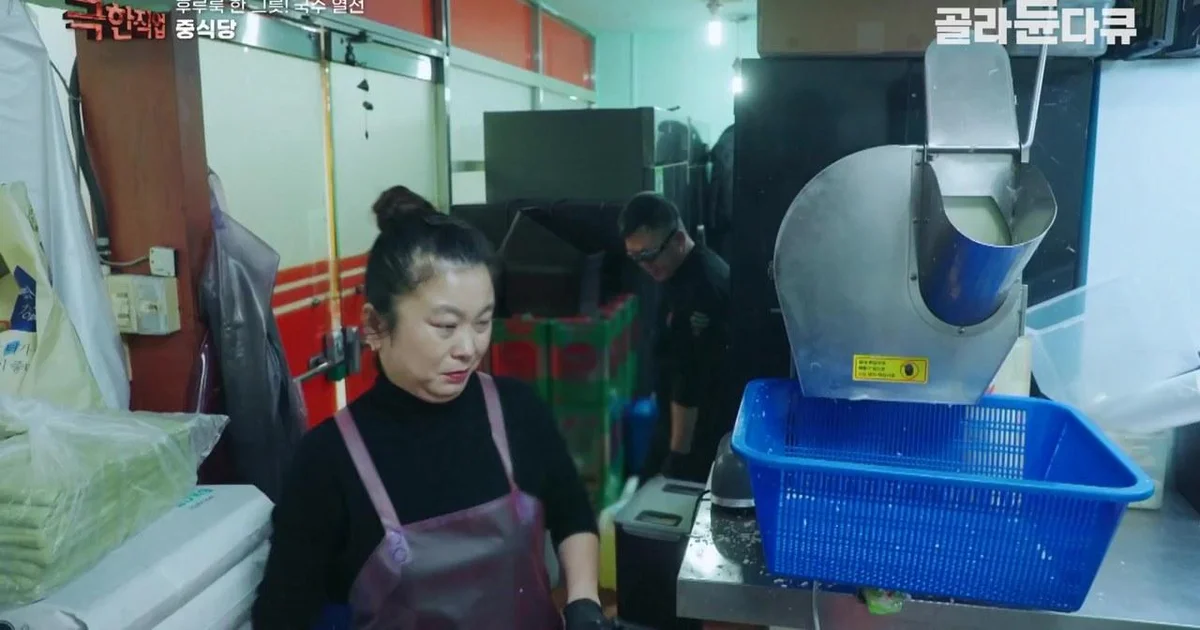
What is the way to make the familiar menus of jajangmyeon and jjamppong 'not obvious'? A Chinese restaurant that has created variations in taste by using local specialties of Ganghwado Island as ingredients is becoming a hot topic. According to an EBS documentary video, this place continues to make attempts to break the existing framework of Chinese cuisine by utilizing Ganghwado Island's mugwort, turnip, and rice.
"The chef's weapon is the ingredients" Noodles and sauces containing Ganghwado Island specialties
The noodles here are different even in color. The green noodles, made by mixing 1kg of mugwort juice with 10kg of flour, are meticulously formulated so that the taste does not stand out too much when paired with jjamppong or jajang sauce. This is a recipe reached after considering spinach for health reasons. Rice produced in Ganghwado Island is used for fried rice, and finely shredded turnip is placed on top of the jajang to catch the taste that could otherwise be greasy.
The most eye-catching menu is 'Sweet Potato Fried Gan-jajang'. The identity of the yellow fried items piled up like a mountain is sweet potato, a specialty of Gangwon Province. The amount of sweet potato used in just one month reaches as much as 1 ton. The chef explains that they wanted to add a 'complex taste' to the simple taste of jajangmyeon. By slicing the sweet potato as thin as thread-like strands to preserve a crispy texture, they designed it to achieve a healthy sweetness so that the jajang, noodles, and fried sweet potatoes harmonize. In particular, the secret is to stir-fry the jajang slightly more liquid than usual so that the fried sweet potato and jajang blend well. When frying, care is needed not to put too much at once to prevent oil from overflowing.
Endurance in front of the fire, "Scars are a gift shared with customers"
The scene in the kitchen, which continues to sell out, is intense. As soon as an order comes in, various vegetables such as onions, cabbage, and bamboo shoots are added along with broth made from Hanwoo beef and chicken, and it is stir-fried over high heat. The key is to control the fire so that the vegetables do not continue to become soft. In the case of jjamppong, it also increases visual satisfaction as it is topped with abundant seafood such as abalone, freshwater crayfish called 'longxia' in Chinese, octopus, and small shrimp caught in winter.
However, behind the splendid food, the chef's exhaustion is hidden. Since they work for long hours in front of the hot fire, pain in the shoulders and wrists is daily life, and burn scars remain all over the arms. Regarding these scars, the chef says, "They are a gift much more precious than money." This means that the sense of accomplishment gained in the process of sharing time and aging together with customers makes them endure the scars. Since it is an environment that is hard to endure without physical strength, managing the body by moving and stretching in between is also essential.
The business philosophy is also firm. Under the principle of "Let's sell all the ingredients prepared today and go home," they close business without hesitation if the ingredients run out. As they operate an open kitchen, they also put effort into cleaning to wipe off grease every day. Due to the nature of Chinese cuisine, which uses a lot of oil and fire, if cleaning is neglected, grease easily accumulates, so they maintain cleanliness every day to welcome customers the next day.
Preparation starting from 7 AM, regulars met through a reservation system
The day here starts earlier than others. From 7 AM, they prepare vegetables and prepare broth and noodle dough. In particular, preparing onions is such a hard task that one becomes covered in tears even when wearing goggles. When boiling the noodles, they are boiled quickly in one direction over high heat, and then immediately washed in cold water to preserve the chewy texture. Also, to maintain the warmth of the noodle dishes, the bowls are heated in advance and prepared.
On weekends, a line of customers waiting even before the opening time of 9:30 AM sometimes forms. In the past, there were many complaints from customers due to long waiting lines, but this has been resolved by operating under a reservation system. The proportion of reservations is high enough to manage a separate reservation status board, and loyalty is high with about 30% of customers being regulars. This place, which became famous four years ago through word of mouth from motorcycle club members, has now become a relationship where they share news like friends with the customers. The chef expressed the desire to continue the relationship with regulars for a long time until their 60s.

하비이슈에서 문화·라이프 분야를 주로 취재합니다. 사회·이슈, 건강·과학 기사도 함께 씁니다.

Comments 0