Life in the Back Alleys of the Forbidden City 600 Years Ago: The Soul Food of Commoners Remaining in Beijing's 'Hutong'
The article explores the traditional life and culinary heritage preserved in the Hutong alleys of Beijing…
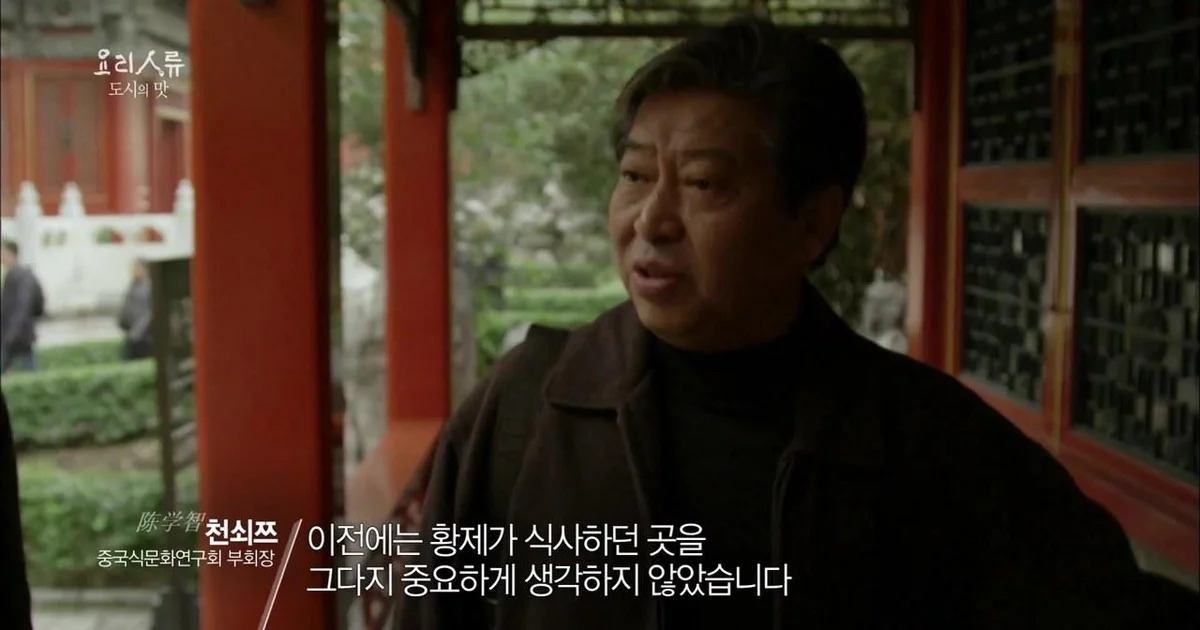
A forest of massive buildings, spectacular economic growth, and smog emitted by more than 5.7 million vehicles. Today, Beijing simultaneously embraces dazzling development and the daily reality of air pollution. Traffic congestion and air pollution in Beijing, where there are more than 5.7 million registered vehicles, have become part of the city's daily life. However, beyond the glamorous skyscrapers, the inner core of Beijing, which has been formed since the Yuan dynasty 800 years ago, shows a completely different landscape. Under the massive shadow of the Forbidden City, in the narrow alleys called 'Hutong' that served as a sanctuary for commoners, tastes and lives that seem to have stopped in time still flow.
Small Fortresses Resembling the Order of the Forbidden City: the Siheyuan of Hutong
The 'Siheyuan', a traditional residential form in Beijing, holds a meaning beyond being a simple house. According to a KBS documentary video, the structure of the Siheyuan resembles the principles of the Forbidden City, which regarded the Emperor as the center of the universe. The south-facing layout considers the direction of the sun, which carries political implications symbolizing the Emperor's position. The high walls of the courtyard and the closed, isolated structure, along with the spatial distribution based on the status and distinction between men and women, give the feeling of looking at a miniature version of the Forbidden City. An interviewee in the video even expressed this by saying, "It feels like a small fortress has been brought inside."
The Hutong, which was once subject to demolition due to its underdeveloped environment, has recently emerged as a new attraction as more people seek out its old charm. Hu Xinyi, a history major, transformed abandoned traditional houses into traditional culture experience spaces for foreign travelers and children. This is because he believed that the Hutong is a 'living museum' containing the lives of Beijing's commoners.
'Luzuhuo Sau' and Jajangmyeon: Filling the Stomachs of Poor Commoners
The flavors of Beijing have constantly changed over the past 800 years as new ethnic groups and cultures blossomed according to changes in ruling power. In the northern regions of Beijing, where wheat production was dominant, various noodle dishes developed. Unlike Korean-style Jajangmyeon, 'Beijing Jajangmyeon' emphasizes a salty taste without adding onions, and it tastes best when eaten with vegetables like cucumber and peas.
The specific life trajectories of commoners are fully projected into the food. The video introduces 'Luzuhuo Sau' as a soul food that filled the stomachs of poor commoners. This is a dish similar to Korea's pork intestine soup, which achieved its flavor by using inexpensive parts such as pig lungs or liver instead of expensive chicken. In particular, following the characteristics of Beijing cuisine, it was common to eat noodles soaked in soup instead of rice. In addition to this, various regional tastes coexist in every alley of the Hutong, such as Northeast-style dishes containing pickled cabbage and pork.
Baodu Feng: The Taste of the Hui people Preserving a 130-Year Tradition
The dining tables of Beijing are like a massive melting pot where the cultures of various ethnic groups are mixed. 'Kaorou' (Beijing-style Bulgogi), which developed the rugged meat dishes of the Mongols into a Beijing style, continues a history of over 300 years by inheriting recipes from the Qing dynasty. This dish, seasoned with soy sauce and with reduced sweetness, shows the continental scale of using massive grill plates. Meanwhile, there is also a tradition continued by the Hui people, who are descendants of Arab and Persia merchants. 'Baodu Feng', which has been operated for four generations, makes 'Baodu' using the virgin meat of cattle or sheep in accordance with the traditions of Muslims who do not eat pork. Their cuisine, which adheres to the method used by their great-grandfather 130 years ago, shows a side of Beijing that remains unchanged even amidst turbulent revolutionary periods.

Comments 0