Without Bait, Using 1,000m Fishing Lines... How Heuksando Fishermen Wait for Winter Skate
Fishermen from Heuksando Island use traditional "Junak" fishing methods to catch winter skate, relying on experience and specific seasonal patterns.
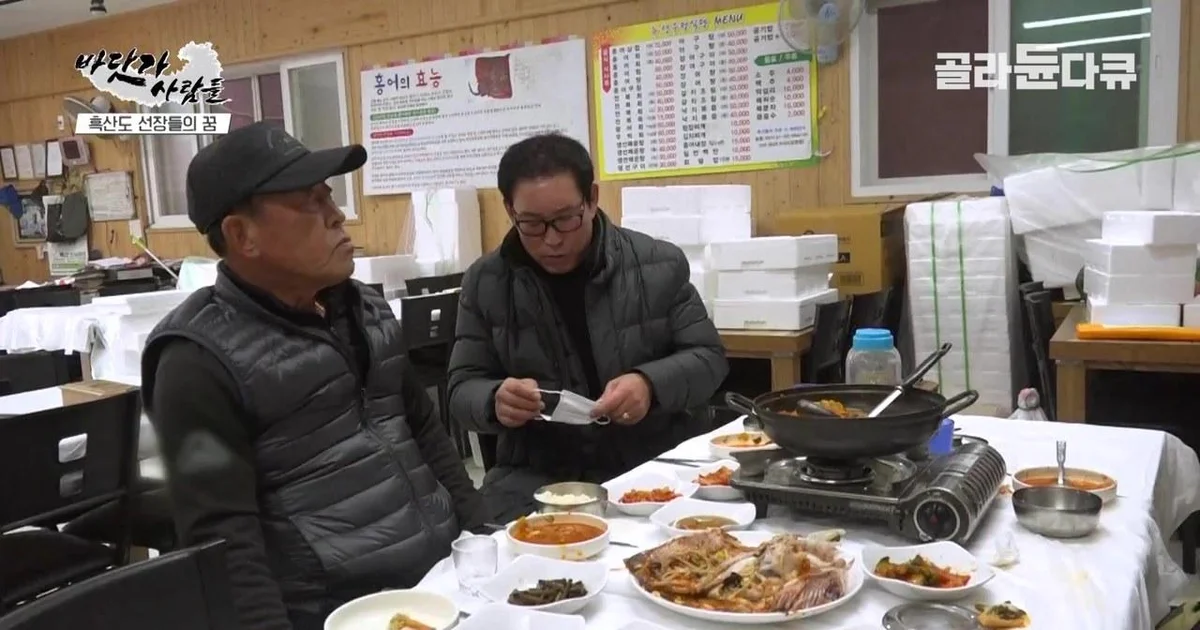
On the dark blue winter sea, a boat surges out of Yeri Port on Heuksando Island. It is a place reached after sailing five more hours northwest from Heuksando, cutting through relentlessly surging waves. There, fishermen begin their struggle for the final catch of the year. It is a journey to find skate that have become plump for the spawning season.
Targeting the 'Path' Instead of Bait, Heuksando's Traditional Junak Fishing
Heuksando skate fishing is of a different nature than fishing on the mainland. The biggest difference is that 'no bait is used.' Instead, they use 'Junak,' which consists of '7'-shaped hooks and weights hanging at regular intervals on a long fishing line exceeding 1,000m. The method involves casting this Junak in advance at the paths where skate travel and waiting for several days. It is a traditional method unique to Heuksando that accurately perceives the habit of skate moving along the seabed.
However, waiting does not always lead to fruit. Even when pulling up the Junak cast a few days ago, it is common to find only empty hooks or anglerfish being caught instead of skate. Anglerfish are one of the regular guests on skate fishing boats. Furthermore, due to high seawater temperatures even in winter, small shrimp (yeopsaeu) sometimes attach to the caught skate, causing them to lose commercial value. On-site, situations arise where they must throw away skate that have become stiff after being dead in the sea for a long time, calling them 'ppeot-sseori.' Captains sometimes mention the presence of the small shrimp attached to the skate, saying, "If you go to that sea, there are bugs attached to your feet like in a swimming pool."
"Females are Three Times More Expensive" The Captain's Eyes Determine the Value of a Full Catch
Eighty percent of the success or failure of skate fishing depends on the captain's experience. Captain Sim Dong-yeol, who has guarded the Heuksando sea for 34 years, diligently records a logbook every day to find the paths where skate pass through. Whenever skate come up onto the boat, the captain instantly judges the gender, size, and quality to give instructions on the deck. The process is intense, as they must cut the skate avoiding the belly to prevent the internal organs from being damaged, and quickly pull them up with hooks so as not to miss the rising skate.
The gender of the skate can be identified by looking at the tail part. Males have two reproductive organs attached to both sides of the tail. The price traded in the market varies greatly depending on the gender, with females selling for about three times more than males. This is why the captain's sense directly translates to profit. If a moment of 'manseon' (a full catch) comes where skate are caught one after another, the fear amidst the rough waves instantly turns into exclamations. When large skate that easily weigh 10kg come up one after another, the fishermen finally enjoy the joy of a full catch.
To Be a True 'Seafarer,' You Must Eat Together; Day and Night Fishing in a Narrow Cabin
There is no day or night during fishing. Once they set sail, it continues relentlessly for three or four days. Meals on the boat mean more than just a simple meal. Fishermen are finally recognized as 'baesaram' (seafarers) who are on the same boat only when they eat together. During fishing, the menu is decided according to the fish caught that day. Traditionally, there is a 'paju' (cook) in charge of meals on the boat, and foreign sailors, who boarded the boat with the dream of building a house for their families in their hometown, also sit around the table together. They endure the hard times while greeting each other in their own languages.
When fishing is finished, the caught skate are stored in the fish hold under the deck mixed with ice to maintain freshness. The short break that comes after more than 8 hours of fishing takes place in the cabin below the deck. Drying their work clothes that were soaked in seawater all day and massaging their swollen feet inside their boots, the fishermen take a short nap. Amidst the sound of waves flowing over the quiet night sea covered in moonlight, the crew closes their eyes for a moment for tomorrow's fishing.
The Tension of the Auction House and the Privilege of the Origin, the Reputation of Heuksando Skate
When the boat that has finished fishing arrives at the auction house, tension hangs in the air. The skate moved from the boat undergo a strict selection process based on gender, quality, and weight. To certify them as premium Heuksando skate, QR codes are attached one by one. For captains, the auction house is like a place where they receive their report card for the fishing period. However, they have also experienced the pain of skate prices being cut in half as gatherings decreased due to the aftermath of COVID-19.
On the mainland, people mainly enjoy the pungent taste of fermented skate, but in the Heuksando area, enjoying fresh skate as it is is a privilege of the origin. Grandma Kim Jeong-jin, who appeared as the first female broker at the auction house that was previously only entered by men, has now passed the succession to her daughter. The daughter is currently called a 'big hand' of Heuksando, and the mother and daughter are conveying the taste of skate. The Heuksando skate, which came up through the rough waves, thus heads to people's dining tables.

Comments 0