Transformation of Gray Industrial Heritage: 'Cement Latte' and 'Brick Bread' Fill Jecheon Sinbaek-dong
===
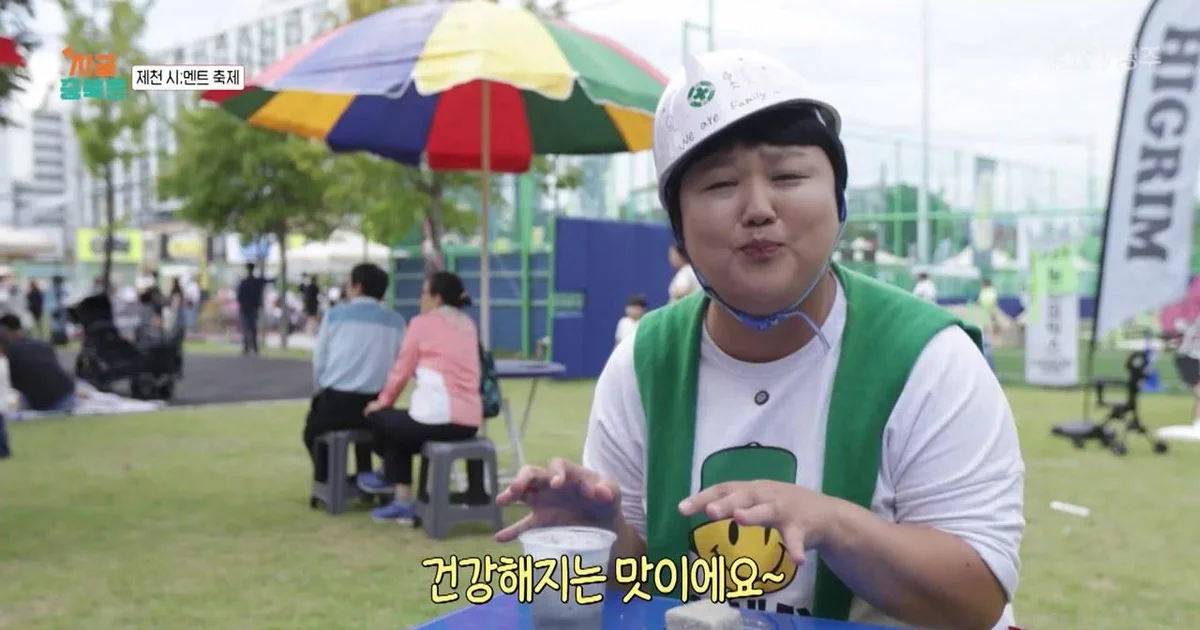
For those who imagined construction sites with gray dust flying around, the festival held in Sinbaek-dong, Jecheon, provided an unfamiliar yet sweet experience. The main protagonist is the '1st Jecheon Ci;ment Festival', which reinterprets the once-central but now declining industrial heritage of the local economy into modern cultural content.
Traces of a declining industry become the region's 'memory assets'
Sinbaek-dong, Jecheon, was a place that thrived alongside the prosperity of the cement industry in the past. During the 1960s, when demand for cement surged based on the abundant raw materials from nearby limestone areas such as Danyang, Yangssangnyong, and Yeongwol, large-scale cement factories were established in Jecheon. At that time, the cement industry was a core pillar supporting the economy and life of Jecheon. Due to good transportation conditions, the industry was revitalized and flourished while coexisting with local residents.
According to the video, the village where cement factory workers lived in the past is a site of history where a significant number of residents still live while sharing memories from that time. It is said that in the 1980s, people working in cement-related jobs formed a union and moved in after building identical houses, and currently, about one-third of the residents of Sinbaek-dong are people who have lived there since that time. While it was once a bustling village, the village gradually became quiet as the main industry, the cement industry, declined and the younger generation left.
This festival was planned so that the disappearing industrial heritage of the region is not left as a mere remnant of the past, but rather to create new cultural value by bringing together residents, young artists, and local merchants. It provided a way to offer cultural benefits to a community facing the risk of extinction and provided an opportunity to reaffirm the region's identity.
Experiencing heavy equipment wearing hard hats and artistic transformations
The festival site was filled with elements that wittily interpreted the subject of cement. Children immersed themselves in experiencing heavy equipment operation while wearing brightly colored hard hats. In the process of scooping and moving sand with an excavator, children enjoyed the tools of industrial sites as a means of play. It was a moment where cement and heavy equipment, which have hard and rough images, transformed into experiential content tailored to the eye level of children.
Artistic attempts to visually implement the texture of cement also drew attention. Various programs using the color and texture of cement as motifs were conducted at the site. In particular, the sight of children using hard hats as canvases to draw flowers and stars showed that the hard hat, which was a cold symbol of industry, had changed into a warm artistic medium. At the site, wearing hard hats was encouraged for safety, and it was impressive to see children participating in the experience wearing the hard hats they decorated themselves.
'Brick Bread' eaten with a shovel and savory 'Cement Latte'
The most unique scenery appeared in the festival's food. 'Cement Latte', which uses roasted grain powder and black sesame to evoke the sand and lime powder used as cement ingredients, captured the taste buds of visitors. This drink, which combines black sesame latte and roasted grain powder, implements a taste as savory and sweet as its name, providing a feeling as if one is becoming healthy.
'Brick Bread', which featured a striking visual reversal, was also a hot topic. Although it looks like a crude brick at first glance, it is characterized by a soft texture that melts away like melting snow when put in the mouth. The interesting part is the way to eat this bread. At the festival site, an unusual experience of eating the bread using small shovels was provided, designed so that the theme of cement could be enjoyed through taste and touch. It was a site where gray industrial heritage was reborn as a cultural asset that gives sweet laughter to local residents and visitors.
Comments 0