"The Dokkaebi of Piballyeong Pass are coming down"… A night in Boeun, Chungbuk, where Joseon-era magistrate processions are reenacted
The 'Boeun Hoein National Heritage Night' was held in Hoein-myeon, Boeun County…
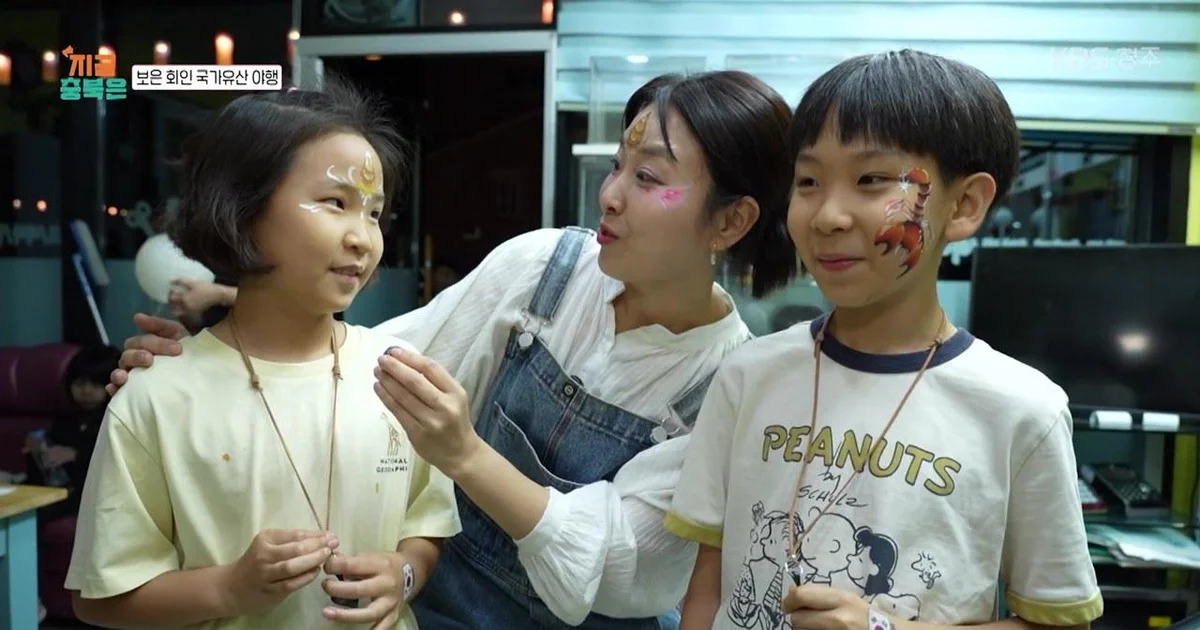
The quiet night of Hoein-myeon, Boeun County, Chungbuk, woke up with the light of Cheongsachorong lanterns. Traces of the Joseon era, hidden throughout the village, revealed themselves under the moonlight, creating a scene where legendary dokkaebi appeared and mingled with people.
According to a video from KBS Documentary Workshop, the 'Boeun Hoein National Heritage Night' was held in Hoein-myeon, Boeun County, starting from September 11. This event was planned by combining the historical assets of this area, which was Hoeinhyeon during the Joseon era, with the legend of the 'Piballyeong Pass Dokkaebi'. Prepared by the village residents acting as one, this festival went beyond simple viewing, transforming the entire village into one massive historical stage.
From the Magistrate's Procession to Royal Palace Reverence Ceremony, Joseon Time Revived
The prelude to the festival was opened by a magnificent magistrate procession. This procession, which vividly reenacted the appearance of the magistrate who was the head of Hoeinhyeon in the past, captured the attention of tourists. Following programs included the 'Royal Palace Reverence Ceremony' held at Insan Gaeksa. The Royal Palace Reverence Ceremony was a ritual performed at Insan Gaeksa here during the Joseon era to pay respects to the nearby King, serving as a moment to reflect on historical significance.
The event grew even more heated as the night deepened. At Insan Gaeksa, illuminated by brilliant lights, a fusion Gugak stage was held, followed by dokkaebi dance performances that made the night in Hoein lively. A citizen met on-site shared their impression, saying, "It feels like I've traveled back in time to the Joseon era," and "It's so great to be able to see things that are hard to experience like this." Another visitor, enjoying the festival while wearing Hanbok, said, "It's mysterious and fun."
An official who prepared this night walk stated the planning background, saying, "Hoein is a small village where a magistrate existed since the Joseon era, so it has quite a lot of cultural heritage," and "We prepared it so that the village could be revitalized even once a year by utilizing the cultural heritage sites that can be reached on foot."
"It's not scary" Alleyways walking with the Piballyeong Pass Dokkaebi
A unique aspect of this night walk is the use of the friendly character 'dokkaebi'. Based on the legend that they came down from Piballyeong Pass to play joyfully with people, the festival site was filled with those dressed in cute dokkaebi costumes. At the dokkaebi dressing room, it was notable to see children transforming into dokkaebi and enjoying themselves as the protagonists of the festival. The dokkaebi on-site added friendliness, saying, "We are not scary dokkaebi, but dokkaebi who can enjoy things with people."
The village alleys walking with the dokkaebi were a museum in themselves. Walking along the alleyways where Hanok and old stone walls, which have continued since the Joseon era, are well-preserved, one naturally encounters national heritage sites such as 'Hoein Dongwon Naea', which was used as lodging by the magistrate who came down from Seoul. Hidden between the alleys were dokkaebi playthings like the 'time-matching game', where one closes their eyes and matches 5 seconds, providing small joys to visitors. Visitors enjoyed the beautiful night view of the village and the alleyways while stamping their way through and eating delicious food.
The Hands of Artisans Connecting Vanishing Traditions
One pillar of the festival was handled by artisans protecting the intangible heritage of Boeun. The demonstration of a Nakwha artisan, who draws landscape paintings on paper using a heated iron, drew admiration from spectators. In Boeun, five intangible heritage teachers are active, and through this night walk, they continued exhibitions and experiences so that traditions do not disappear.
An official on-site said, "Our Boeun is a place where intangible heritage teachers reside," and "As traditions keep disappearing, if we directly experience and exhibit like this, spectators including children find it mysterious and like it." This night walk, which created a venue to communicate with modern people by utilizing the village's historical spaces, showed the potential to be a living village festival rather than dead cultural properties.
This event, which was agreed upon and prepared together by all residents, was evaluated as having reborn the historical spaces throughout the village into spaces that can communicate with modern people. This night walk, where one could encounter the old stories and cultural heritage of Hoein up close under the moonlight, remained a special memory for everyone.
Comments 0