From Keijō Wearing Wooden Clogs to the Croaker Market: Fleeting Records Revived by 100-Year-Old Film
The KBS Documentary program 'Our Faces' reconstructs the turbulent moments of modern Korean history from the early 1900s to the 1950s using archival footage.
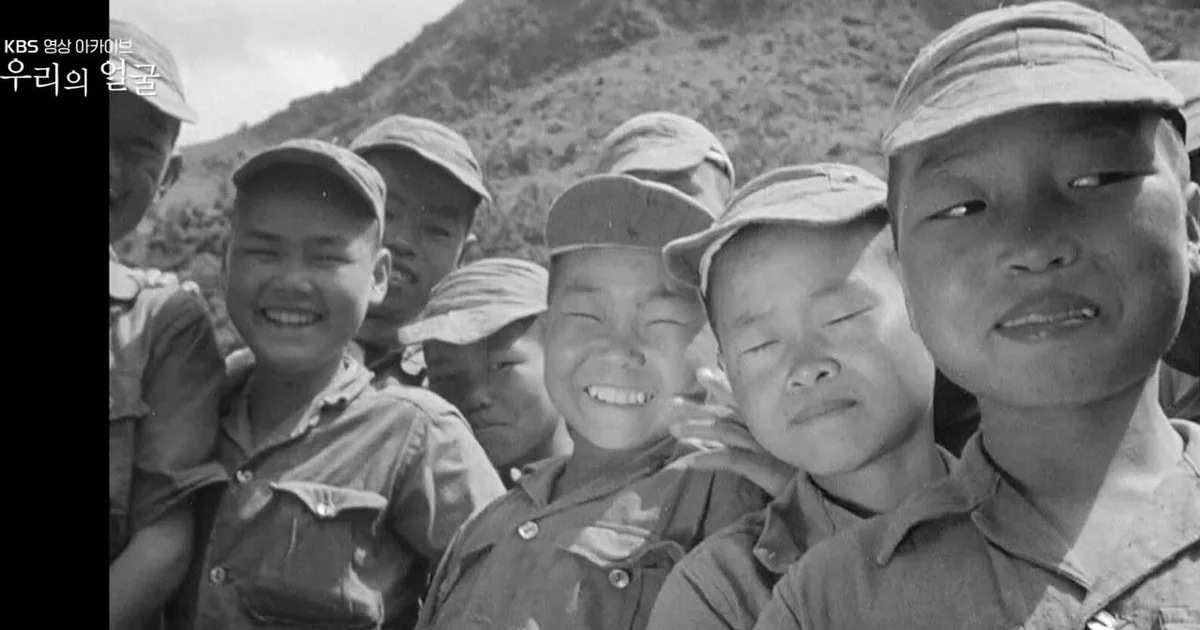
What expressions were the people standing before the camera lens making over 100 years ago? The sight of people carefully stepping over muddy water in high-heeled wooden clogs and those walking silently with heavy A-frame carriers on their backs has come back to life within old film. The KBS Documentary channel's 'Our Faces' video reconstructs and shows the turbulent moments of modern Korean history from the early 1900s to the 1950s through recorded footage.
Wooden Clogs and the Sound of Laundry Beating: Hard Daily Life Achieved by Fingertips
The recorded footage broadly covers everything from the streets of Keijō, where the waves of modernization were surging, to the scenery of island villages. In front of Daehanmun Gate at Deoksugung Palace, a scene of modernization is captured where massive stones are moved to pave new roads. At that time, people used heavy carts made of stone or wood to compact the ground. Since it was a task too overwhelming for the strength of one or two people, it was an era when the coordination of each other's breathing to add strength at the same moment was more important than anything else.
During the period of upheaval when the city's name changed from Hanseong to Keijō, the market scenery is also vivid. In the market alleys, where hands and eyes move busily between heaps of chili peppers, the faces of various generations are captured, from grandfathers and grandmothers to children watching with curious eyes. The rural scenery is even more nostalgic and weary. The laundry scenes, which frequently appear in the records of foreign travelers, well demonstrate the lifestyle of that time. Those who preferred white clothes would beat the fabric with a laundry mallet after washing, and would end their day with the sound of laundry beating continuing late into the night.
It was an era when everything had to pass through human hands. They lived by turning millstones to grind beans and treating the weight carried on their A-frame carriers as their daily reward. Young girls performed the role of 'little nannies,' carrying and looking after younger siblings who were as big as their own bodies, sometimes wearing mature expressions early on. Amidst the weary labor, the short time spent sitting together to eat a meal was their most relaxing rest.
The Final Moments of the Imperial Family, More Lonely Because of Their Splendor, and the Croaker Market of Sinan
The video also highlights the final moments of the Korean Empire imperial family. In the footage where colors have been revived based on expert historical research and artifacts, Prince Yeongchin and Yi Bang-ja perform formal rituals. The appearance of Yi Bang-ja wearing a Hongwonsam and Prince Yeongchin wearing Gujangbok shows the dignity of the old royal family that continued even after losing the country. However, this splendid record soon turns into loneliness. The sight of people watching the final path of the young royal descendant Yi Jin, who passed away before being even one year old, conveys the sadness of a disappearing era intact.
Meanwhile, the seascape of the 1930s and 40s also catches the eye. The appearance of Nagwoldo Island in Sinan, recorded by a Japanese folklore research team in 1936, contains the vitality of the fishing village at that time. In particular, in July, hundreds of temporary buildings were erected on the sandy beach to catch croakers that flocked to spawn. A 'Pasi' (a market held on the sea), which was the second largest in the country, was held. In those days, when boats called 'mungteongguri-bae' (stupid boats) because they could not move on their own without power were pulling up croakers, the sea was a fierce place of livelihood and a massive market for some.
The eyes of ordinary people and fleeting moments that would have disappeared forever if not recorded. The video calls the time of 100 years ago into the present, reminding us that the history of this land we stand upon is connected to the weary breathing of someone.

Comments 0