From Decapitation in front of Sungnyemun Gate, the Reason Why King Yeongjo Fought a Fierce War Against 'Alcohol'
The article explores the reasons behind King Yeongjo's strict Prohibition Decree in the Joseon Dynasty…
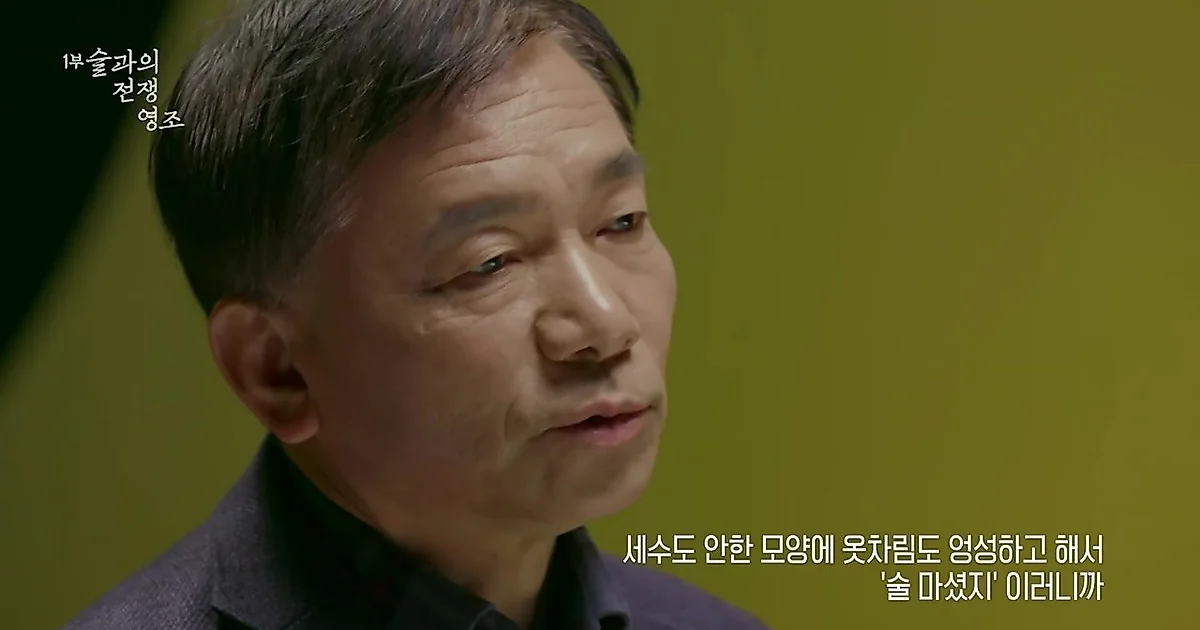
In front of Sungnyemun Gate, a cold blade is swung. Under the direct supervision of the 21st King of Joseon, King Yeongjo, the head of the male soldier Yoon Gu-yeon falls. The charge: drinking alcohol. Moving beyond simple intoxication, this incident, where even public execution (hyosi) was carried out before King Yeongjo's eyes, is recorded as one of the most shocking scenes in the history of the Prohibition Decree during the Joseon Dynasty. Why did King Yeongjo have to wield such a sharp blade over a single cup of alcohol?
The Haehobae, a Jade Cup Carrying the Warning "Drink and You Die"
King Yeongjo's will to guard against alcohol was also reflected in the royal rituals and artifacts. According to a KBS documentary video, a rare jade cup excavated from the tomb of Princess Hwayu, the tenth daughter of King Yeongjo, features a peculiar decoration. It is a representation of a type of lizard called 'Garo (Garo Lizard)' that is said to die immediately upon touching water. In Joseon Dynasty literature, the Garo Lizard is recorded under the names 'Garobae' or 'Haeheobae'.
This wine cup also appears in the illustrations of the Veritable Records of King Sejong and was used in royal ceremonies or by the Royal Secretariat. In particular, this cup called 'Haehobae' was also used when serving alcohol to officials who were apologizing. An interviewee in the video explains, "The Haehobae was bestowed with the meaning that if you drink alcohol, you die, intending for people to always remain vigilant and guard against excessive drinking." This shows a facet of the Joseon royal family that embedded messages of strict moderation and warning even into a single wine cup.
"Rice for 10 Years Used for Alcohol in Just 1 Year": King Yeongjo's Economic Decision
Behind King Yeongjo's strong push for the Prohibition Decree was the national resource known as 'rice'. Most alcohol in Joseon was brewed using rice as the main ingredient. At that time, rice was the foundation of the nation and a core element directly linked to the survival of the people. The consumption of grain was so extreme that Silhak scholars pointed out the situation by saying, "Rice that should be eaten for 10 years is used for alcohol in just 1 year." During the reign of King Jungjong, the amount of rice used to brew alcohol with nuruk sold in shops reached as much as a thousand seok.
When food became scarce due to droughts or poor harvests, the King sought to save rice by issuing a Prohibition Decree. King Yeongjo went one step further and declared war on alcohol by even abolishing 'Yeast Market', where the nuruk used as a raw material for alcohol was sold. This was a measure that accurately pierced through the fact that alcohol cannot be brewed without nuruk. Traditional nuruk undergoes a process of stepping on whole wheat dough 200 times, and King Yeongjo intended to block the source of alcohol by preventing the distribution of such nuruk. This is a part where King Yeongjo's governing philosophy is revealed, perceiving alcohol not merely as a luxury item, but as an issue that depletes the nation's food supply.
Alcohol, a Medium Connecting Scholar Spirit and Social Exchange
While the state strictly controlled alcohol, it held another meaning in the society of the literati (sadaebu). In the spaces of scholars, such as the head houses in Andong, alcohol was an essential link connecting people to people. The 'Suunjapbang', designated as a treasure, contains 122 recipes, and alcohol was such a core part of literati culture that nearly half of them are methods for making alcohol. This book was written throughout the 16th and the first half of the 17th century, showing that the literati of that time utilized alcohol to meet people to maintain pleasure or local community ties.
In particular, medicinal wines like 'Ojeongju' were considered so precious that there was a saying they could turn hair black. Ojeongju, a clear cheongju containing ingredients such as yellow ginger, asparagus cochinchinensis, Atractylodes macrocephala, goji berries, and pine needles, was even regarded as medicine by the literati of the time. In the video, Kim Do-ji, the 15th matriarch of Seorwoldang, is shown filling the base liquid by mixing nuruk powder, rice powder, and water boiled with medicinal herbs exactly according to the recipe in Suunjapbang. To the extent that Toegye Yi Hwang recorded that the alcohol jars here were always overflowing, alcohol was a pride of the household and an important skill to be passed down. While alcohol was an object of control for the state, it served as an important medium for maintaining communities and sharing the scholar spirit in rural societies.
Comments 0